Climate Action Plan

Share Climate Action Plan on Facebook Share Climate Action Plan on X (formerly Twitter) Share Climate Action Plan on Linkedin Email Climate Action Plan link
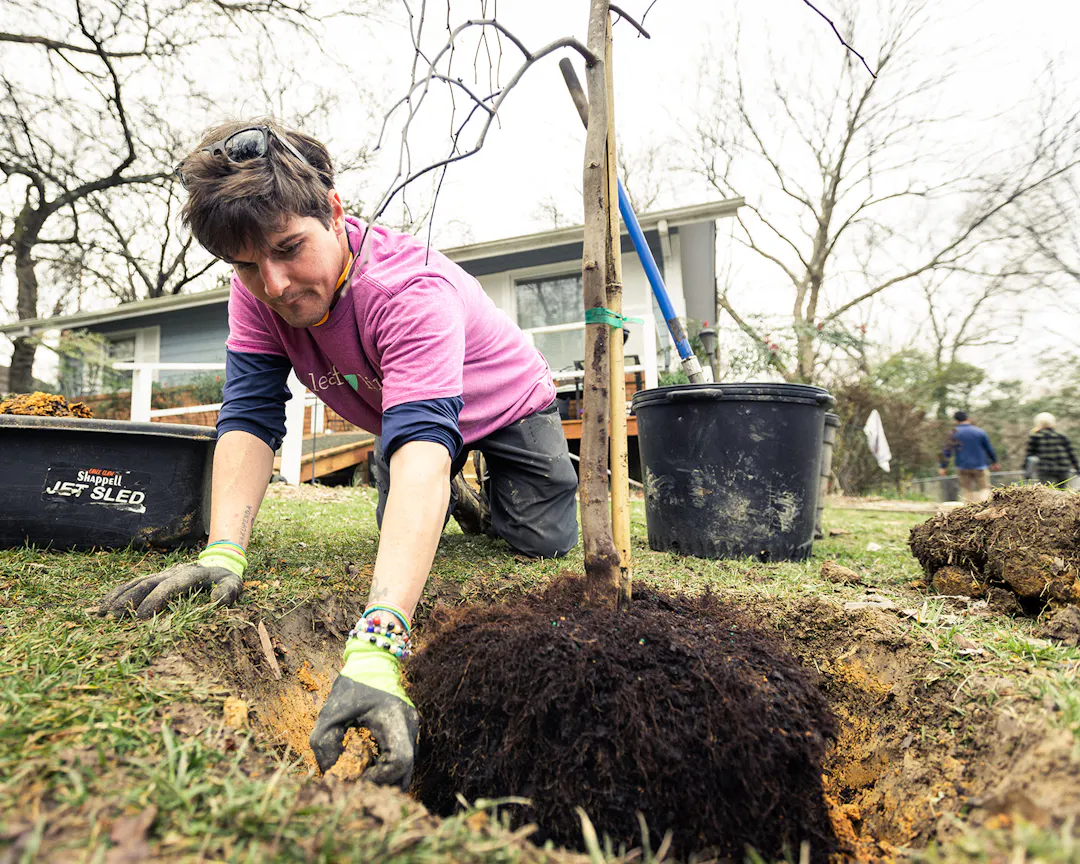
Person planting a tree in the Northside community

The Town Council approved the Town's Climate Action Plan on April 7, 2021. This Plan describes climate goals, challenges, and opportunities. It also lists the most important actions the Town and community can take to reduce carbon emissions and address the effects of climate change. The four main action categories within the plan are:

  • Buildings and Energy
  • Transportation and Land Use
  • Waste, Water, and Natural Resources
  • Resiliency

Within each category, there are a series of specific actions and strategies designed to help us reach our goals of being an equitable, resilient, and clean energy community by 2050.

The plan calls for a 5-year update, which is due this year. This update will:

  • evaluate our progress to date
  • assess current emissions levels relative to goals
  • determine what (if any) priorities must be shifted to help us reach our goals

We’ve completed 85 (91%) of the total actions we set out to accomplish with the original plan. Community emissions are down 32% since 2005, putting us slightly ahead of our 2025 reduction target of 26-28%. Currently, we are focused on the actions that remain and what additional actions will be needed to keep us on track for our 2030 and 2050 reduction targets.

On this page, we're sharing what we’ve learned and done so far. In addition to in person events, we'll also use this platform to ask what you all think will be important for the next five years.

The Town Council approved the Town's Climate Action Plan on April 7, 2021. This Plan describes climate goals, challenges, and opportunities. It also lists the most important actions the Town and community can take to reduce carbon emissions and address the effects of climate change. The four main action categories within the plan are:

  • Buildings and Energy
  • Transportation and Land Use
  • Waste, Water, and Natural Resources
  • Resiliency

Within each category, there are a series of specific actions and strategies designed to help us reach our goals of being an equitable, resilient, and clean energy community by 2050.

The plan calls for a 5-year update, which is due this year. This update will:

  • evaluate our progress to date
  • assess current emissions levels relative to goals
  • determine what (if any) priorities must be shifted to help us reach our goals

We’ve completed 85 (91%) of the total actions we set out to accomplish with the original plan. Community emissions are down 32% since 2005, putting us slightly ahead of our 2025 reduction target of 26-28%. Currently, we are focused on the actions that remain and what additional actions will be needed to keep us on track for our 2030 and 2050 reduction targets.

On this page, we're sharing what we’ve learned and done so far. In addition to in person events, we'll also use this platform to ask what you all think will be important for the next five years.

Ask us your questions

Have some questions about the Climate Action Plan Update? Type and submit your questions below, and we’ll get back to you!

We may post some questions and answers for others to see. We’ll also create an FAQ section for reoccurring questions.

Email
loader image
Didn't receive confirmation?
Seems like you are already registered, please provide the password. Forgot your password? Create a new one now.
  • Share While you allow building (especially large apartment and commercial buildings, many unfilled) to eliminate trees and green space, you are increasing heat on ground and roads and encouraging flooding. Why are you continuing this environmentally unsound practice?? on Facebook Share While you allow building (especially large apartment and commercial buildings, many unfilled) to eliminate trees and green space, you are increasing heat on ground and roads and encouraging flooding. Why are you continuing this environmentally unsound practice?? on X (formerly Twitter) Share While you allow building (especially large apartment and commercial buildings, many unfilled) to eliminate trees and green space, you are increasing heat on ground and roads and encouraging flooding. Why are you continuing this environmentally unsound practice?? on Linkedin Email While you allow building (especially large apartment and commercial buildings, many unfilled) to eliminate trees and green space, you are increasing heat on ground and roads and encouraging flooding. Why are you continuing this environmentally unsound practice?? link

    While you allow building (especially large apartment and commercial buildings, many unfilled) to eliminate trees and green space, you are increasing heat on ground and roads and encouraging flooding. Why are you continuing this environmentally unsound practice??

    RVM asked about 1 month ago

    The Town of Chapel Hill requires and incentivizes tree replacement, stormwater controls, and energy-efficient site design in new development. Through the LUMO Update, we are proposing enhanced climate-focused standards, including greater protections of existing trees, more rigorous stormwater requirements, native tree planting, and options like cluster subdivisions that can conserve more natural areas. Tall, dense buildings within town limits can help reduce overall land consumption, limit sprawl, protect rural natural areas, and lower the long-term costs of extending Town infrastructure and services. Visit this page to learn about opportunities to give feedback on the LUMO Update. 

  • Share Please explain why we would want to reduce carbon dioxide, essential to plant life on earth? A Modest Proposal: Why not reduce oxygen levels, as oxygen is the most powerfully oxidant on earth? on Facebook Share Please explain why we would want to reduce carbon dioxide, essential to plant life on earth? A Modest Proposal: Why not reduce oxygen levels, as oxygen is the most powerfully oxidant on earth? on X (formerly Twitter) Share Please explain why we would want to reduce carbon dioxide, essential to plant life on earth? A Modest Proposal: Why not reduce oxygen levels, as oxygen is the most powerfully oxidant on earth? on Linkedin Email Please explain why we would want to reduce carbon dioxide, essential to plant life on earth? A Modest Proposal: Why not reduce oxygen levels, as oxygen is the most powerfully oxidant on earth? link

    Please explain why we would want to reduce carbon dioxide, essential to plant life on earth? A Modest Proposal: Why not reduce oxygen levels, as oxygen is the most powerfully oxidant on earth?

    Josh asked about 1 month ago

    We are working to reduce carbon dioxide and other greenhouse gases because their current levels are destabilizing the global climate. This buildup is driving warmer temperatures, increased extreme weather, and stress on humans and natural ecosystems. Oxygen (O₂) by itself is not a greenhouse gas and does not contribute to climate change.

Page last updated: 18 Sep 2026, 09:57 AM